Tailored Deep Tissue Techniques for Athletes and Workers
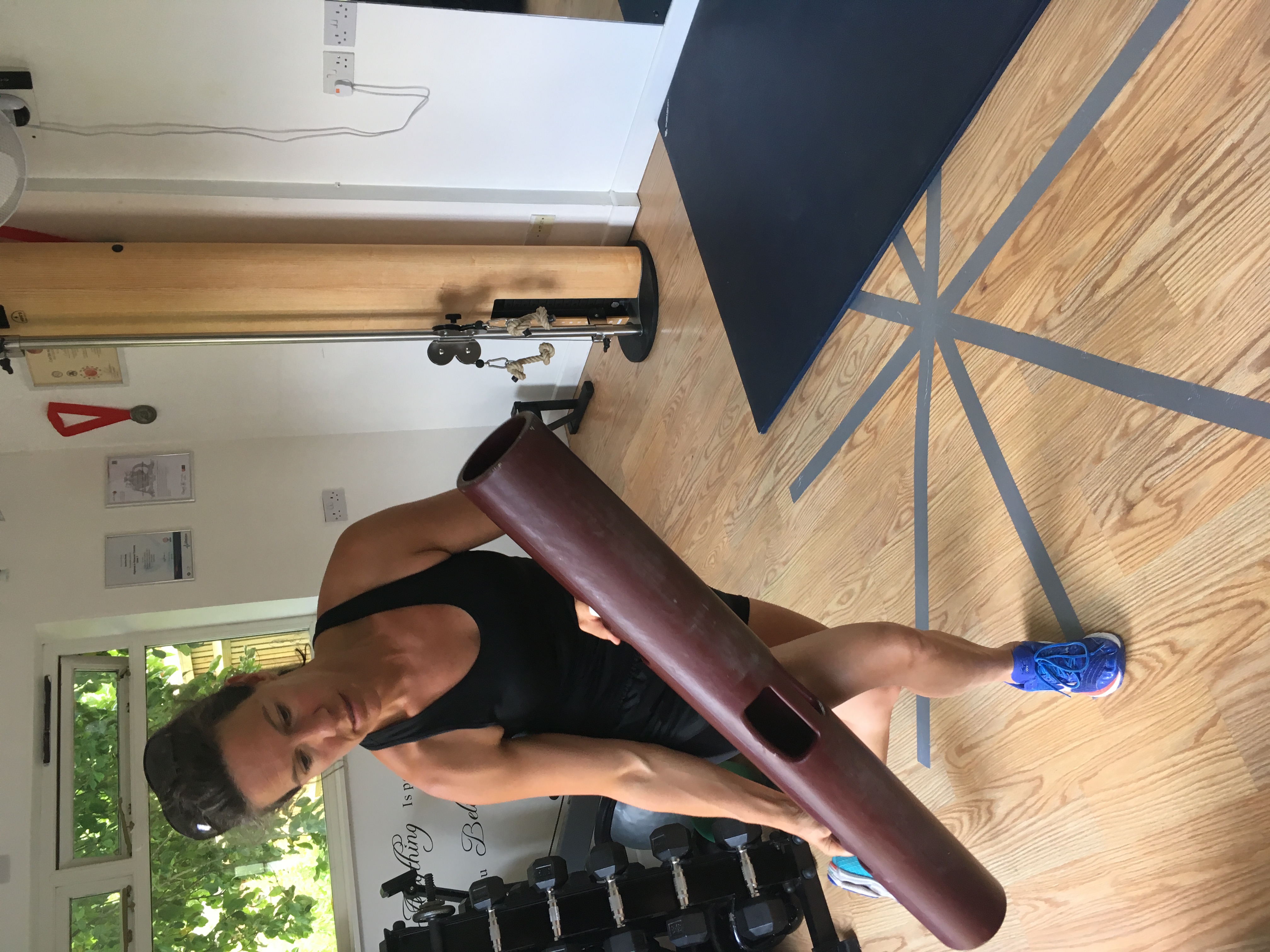
Deep tissue massage is a powerful tool for recovery and performance enhancement. Whether you are an athlete pushing your physical limits or a worker enduring long hours at a desk, this massage can significantly improve your well-being. Read on to find out how you can benefit.

Understanding Deep Tissue Massage
Deep tissue massage focuses on the deeper layers of muscle and connective tissue. It is particularly beneficial for chronic aches and pains, tension in specific areas, and post-injury recovery. Unlike a typical relaxation massage, deep tissue techniques involve slower strokes and more intense pressure, we don't just work muscles either, we work fascia, scar tissue and realignment of shortened tissue.
Benefits of Deep Tissue Massage
Pain Relief: for chronic pain conditions, such as lower back pain and shoulder pain and fibromyalgia.
Improved Mobility: by breaking down adhesions and knots in the muscles, giving you enhanced flexibility and range of motion.
Stress Reduction: by promoting relaxation and improving circulation, serotonin levels may rise too.
Enhanced Recovery: especially for athletes after intense training sessions or competitions.
Tailored Techniques for Your Needs
We all respond in different ways. Your body will favour certain techniques over others. A skilled therapist will work out quickly what helps you.
Trigger Point Therapy
Trigger points are tight areas within muscles that can cause pain in other parts of the body. Trigger point therapy involves applying pressure to these points to relieve tension.
How to Apply: Use your fingers or a massage tool to apply firm pressure to the trigger point for 30-90 seconds. Setting the level of the pressure as tolerated.
Myofascial Release
This technique focuses on releasing tension in the fascia, the connective tissue surrounding muscles. It is particularly effective for athletes who experience tightness due to repetitive movements.
How to Apply: Use slow, sustained pressure on the fascia to stretch and release tension. This can be done with hands or specialized tools like Gua sha/IASTM tools. Foam rollers do help the fascia too.
Sports Massage
Sports massage combines various techniques tailored to the athlete's specific sport. It can be used pre-event to prepare the muscles or post-event to aid recovery.
How to Apply: Incorporate a mix of deep tissue techniques, stretching, and rhythmic movements to address the athlete's needs.
Muscle Energy Techniques
When the nervous system is holding the muscle in a shortened position we can work the muscles to release them.
How to Apply: There are a variety of stretch and lengthen or work and release approaches. You will be asked to either move your body as we apply pressure to a joint or we will move the point whilst we apply pressure to a point in the muscle.
Self-help Techniques
A sports masseur can suggest ways you can help yourself. Workers, especially those in sedentary jobs, can really benefit. As can any posture related injuries.
Stretching
Regular stretching throughout the workday can help prevent muscle tightness and discomfort.
How to Apply: If working at a desk, take short breaks every hour to perform stretches targeting the neck, shoulders, and lower back. Simple neck rolls and shoulder shrugs can be effective. For other stretching your masseur can advise how often and how long you hold your stretch, 30sec is the recommended time for most static stretches.
Self-Massage Techniques
Incorporating self-massage techniques can be a quick way to relieve tension during the workday.
How to Apply: Use a tennis ball or massage ball against a wall to target tight areas in the upper back and shoulders. Roll gently to release tension.
Ergonomic Adjustments
Making ergonomic adjustments to your workspace can significantly reduce muscle strain.
How to Apply: Ensure your chair supports your lower back, and your computer screen is at eye level. Consider using a standing desk to alternate between sitting and standing.
Combining Techniques for Maximum Benefit
For both athletes and workers, combining various deep tissue techniques can yield the best results. Here’s how to create a balanced routine:
Schedule Regular Sessions: Aim for at least one deep tissue massage session per month, or more frequently if you are an athlete or have a physically demanding job.
Incorporate Stretching: Pair deep tissue massage with regular stretching to enhance flexibility and prevent muscle tightness.
Listen to Your Body: Pay attention to areas of tension and adjust your routine accordingly. If you notice persistent pain, consult a professional.
Conclusion
Tailored deep tissue techniques can significantly enhance the well-being of both athletes and workers. By understanding and applying these methods, you can improve recovery, reduce pain, and enhance overall performance. Whether you seek relief from chronic pain or want to optimize your physical capabilities, incorporating deep tissue techniques into your routine is a step toward a healthier, more active lifestyle.
Take the first step today by scheduling a massage or trying out some self-massage techniques at your desk. Your body will thank you!


Comments