My Journey with Body Dysmorphia
Definition:Body dysmorphic disorder (BDD), or body dysmorphia, is a mental health condition where a person spends a lot of time worrying about flaws in their appearance. These flaws are often unnoticeable to others.
Whilst the obvious way to control the way we look is by exercising or controlling food, the inner critic in someone with body dysmorphia will never be content. There is always more to be done, you will simply never look good enough. The key to happiness is therefore recognising and monitoring the inner critic, rather than punishing the body with rules and regime.
How we talk to ourselves determines how we feel. If you wouldn’t tell someone else that their thighs are too big, their arms too flabby or their stomach not flat enough, why is it acceptable to cruelly belittle yourself? Repeat this multiple times per day and you have an unhealthy relationship with yourself which can lead to destructive behaviours.
This is a blog about how I am trying to cultivate self-love and a positive self-image in my own head despite many years of listening to an inner voice of self criticism.
Understanding Body Dysmorphia
Body dysmorphic disorder isn't just a clinical term — it's something I’ve seen in others and felt in myself. It’s that inability to see your body clearly, no matter how many compliments you get or how much progress you make. You fixate on a “flaw” — a part of yourself you believe is wrong or not good enough — even if others don’t see it at all.
In fitness culture, this struggle is everywhere. It hides behind the pursuit of “clean eating,” endless cardio, or sculpting the “perfect” body. Sometimes it looks like discipline, but often, it’s driven by a quiet obsession. I’ve felt it — in the mirror, in photos, in comparison to others. That voice telling me my stomach should be flatter, more defined.
Growing up, we saw size 0 on the runway — ballerinas, models with hip bones sharper than cheekbones. Then came the Kardashians, and suddenly curves were in — but only the right ones, in the right places. The "ideal" keeps changing, and we’re expected to keep up. For men, it’s six-packs and massive arms plastered on fitness magazines and cologne ads. These images set a standard most people can’t reach — and even if they do, they rarely feel like it’s enough.
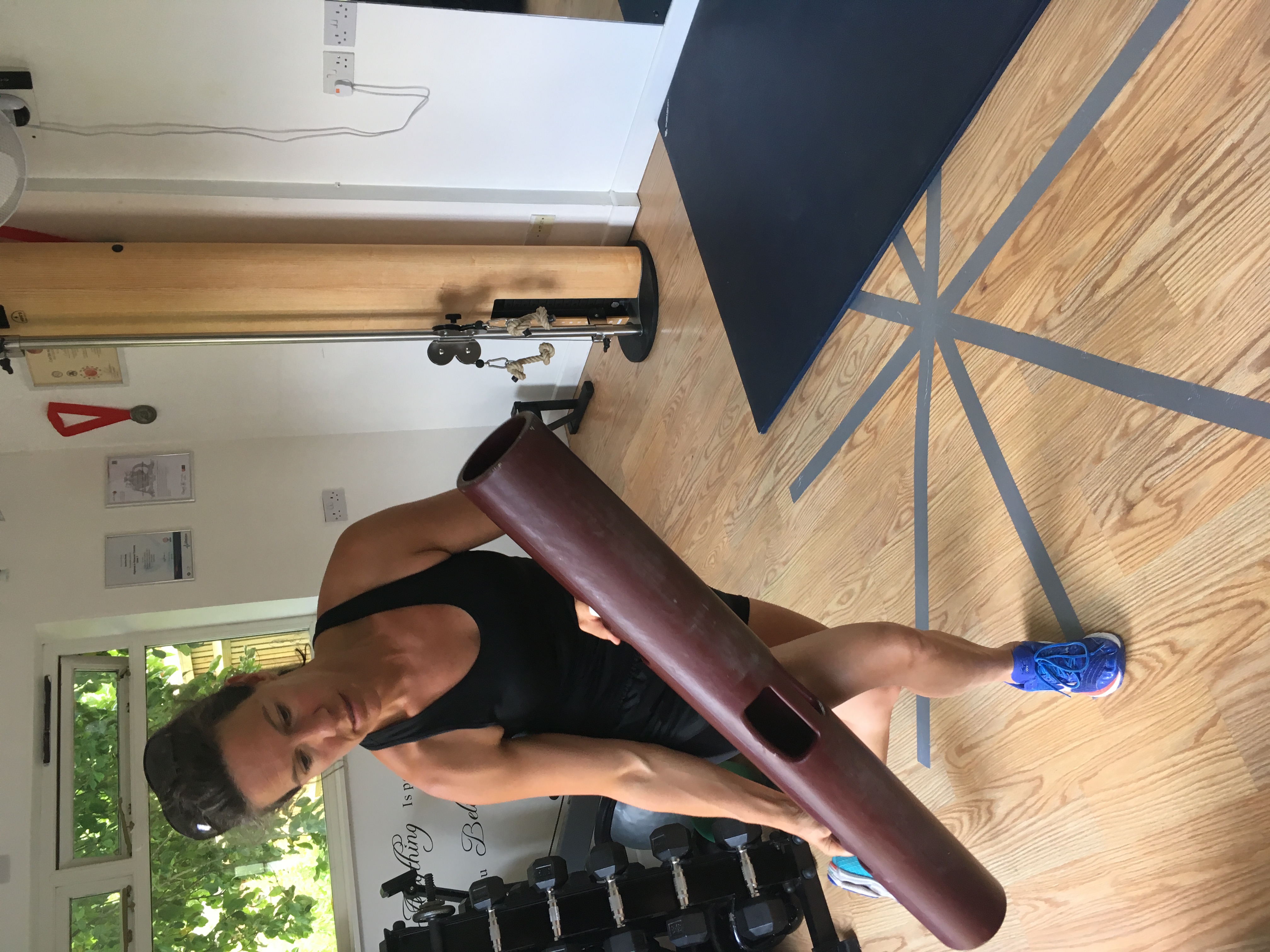
As a personal trainer, I see people’s insecurities every day. Clients pinch their sides or tug at their shirts, asking how to “fix” something. Flabby arms. Love handles. Cellulite. Things that are completely normal. But we’ve been taught to hate them.
And I get it. I really do. I used to chase the perfect body like it was the only goal that mattered. But somewhere along the way, the obsession took over. I wasn’t working out for health or joy — I was doing it to silence a voice that said I wasn’t enough. That voice can be loud. It can drown out self-love, replacing it with self-loathing.
But I’ve learned something — slowly, and with a lot of patience: we are more than just our bodies. More than that, the most interesting thing about ourselves is not how we look. Our friends love us for so much more than our bodies. And our bodies are not the problem. The problem is in our heads. It’s the way we talk to ourselves. Other people simply don’t care about the way we look as much as we do. The more we chase the perfect body the less confident we become. But actually we like being around people who are confident in their bodies, NOT who have the perfect body. We admire people who glow with acceptance of themselves and feel good in their imperfect body.
Recognising Body Dysmorphia
Have you ever found yourself gazing at your reflection as you walk past a shop, not to admire yourself, but to check that the terrible body part, which you know you will find looking back at you, isn’t too obvious in the clothes you have used to disguise it.
Instead of celebrating my wonderful body, I found myself drowning in self-doubt. I thought, "Why doesn’t my body look like that?" or "If I just trained harder, I’d finally achieve my ideal." This inner critic prevents any acknowledgement of the good bits or the achievements. It makes you cover up the unloved bit of you.
The Turning Point
When someone loves the parts of you that you’ve spent years hating, it shifts something. Their kindness softens your inner critic. Slowly, you start to believe — maybe you’re not as flawed as you thought. Maybe you don’t need to fix everything to be worthy.
That shift doesn’t always become full-blown self-love, but even acceptance can feel like a deep breath after years of self-deprecation. And with that comes the realization: it’s not your body that’s made you miserable — it’s the pressure to always be “better.”
Thankfully, conversations around body acceptance are growing. There are more tools now — from honest podcasts to books like How to Talk to Yourself by Ro Mitchell — that remind us we’re allowed to be kind to ourselves.
Building a Positive Self-Image
Transformation doesn’t happen overnight. It takes ongoing effort. It is a gradual introduction to incorporate gratitude for my body’s capabilities instead of scrutinizing its appearance.
Each workout I focus on what I can achieve or simply the joy of being able to do fun workouts—such as running in the Peak District over a timed orienteering course or nailing that forth pull-up, not flattening my stomach and beating the back fat.
Instead of fixating on the negative bits of my appearance in the mirror, I am beginning to pay attention to the bits of me other people actually praise. I really look in the mirror now, not to critique, but to admire. Negative thoughts need managing, converting into empowering affirmations: “I am strong,” “I have a great [insert body part],” and “I don't need to be perfect, just happy.”
Creating a positive internal dialogue is vital. Each confrontation with my inner critic is met with kindness and self-compassion. This practice boosts my resilience and emphasises that fitness is about more than just physical changes—it’s a source of fun & empowerment.
Reflection on My Journey
Confronting body dysmorphia in fitness is an ongoing journey that requires patience. My experiences have offered valuable lessons about self-acceptance and the impact of external projections on self-image and monitoring the inner voice.
By fostering a healthier relationship with fitness and myself, I'm learning to silence my inner critic and incorporate self-love daily. If you're facing similar struggles, remember you're not alone.
Let's uplift ourselves and each other, shifting the dialogue to one of praise and celebrating the beauty in our unique bodies.
Body dysmorphia can be overcome by changing the way you talk to yourself.
With right balance of fitness, nutrition and mental wellbeing you can conquer your body dysmorphia.
If I can help with any of those elements please get in touch and we can build a routine to help you find your “happy place”.
More information on Body Dysmorphia can be found here:
Need help:
You can ask your doctor if there are any groups in your area, and the BDD Foundation has a directory of local and online BDD support groups.
You may also find the following organisations to be useful sources of information and advice:


Comments